
Tag: publications
-
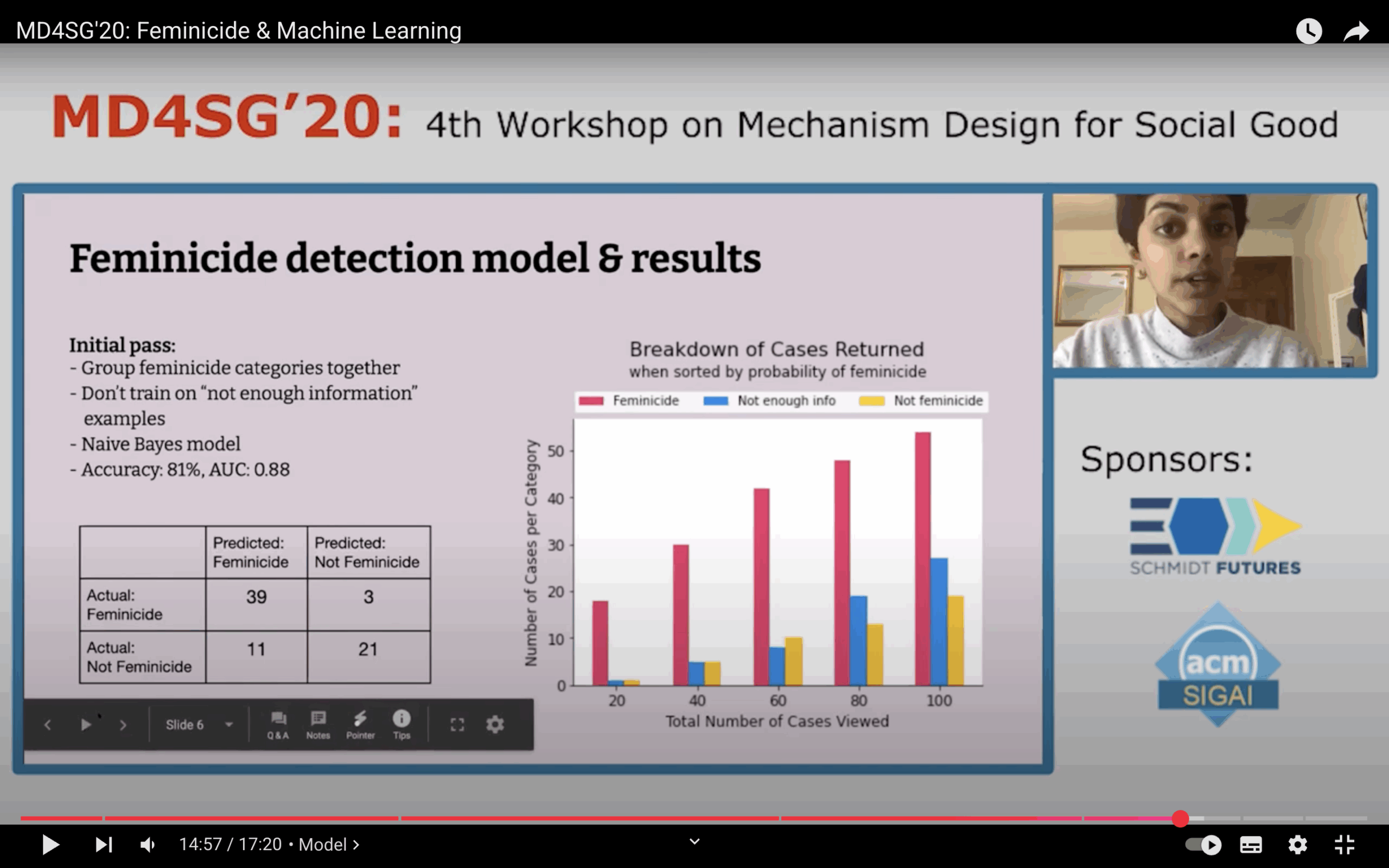
Feminicide & Machine learning: Detecting Gender-based Violence to Strengthen Civil Sector Activism (D’Ignazio et al, 2020)
Gender-related violence against women and its lethal outcome, feminicide, are a serious problem in Latin America and the Caribbean (LAC), as they are in the rest of the world. Although governments have passed legislation criminalizing feminicide, these laws have not been accompanied by relevant policy nor by robust data collection that measures the scope and…
-

Tracking Latin America’s Other Pandemic: Violence Against Women (Fumega, 2020)
Better data on gender-based violence is needed now more than ever. Fumega, S. (2020, abril 13). Tracking Latin America’s Other Pandemic: Violence Against Women. Americas Quarterly. https://www.americasquarterly.org/article/tracking-latin-americas-other-pandemic-violence-against-women/ Enlace externo
-
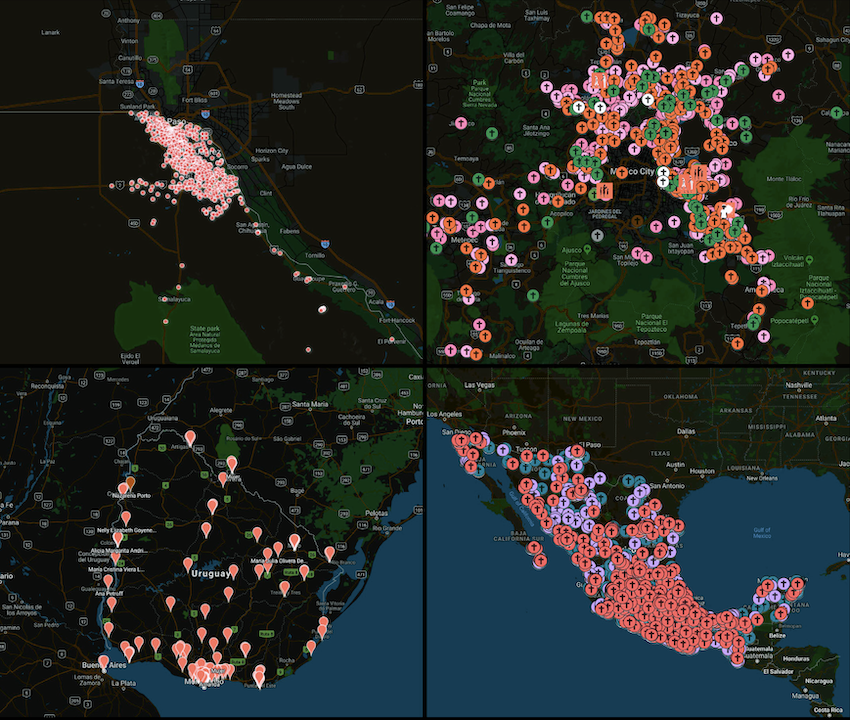
Monitoring, recording, and mapping feminicide – experiences from Mexico and Uruguay (Madrigal et al, 2019)
In this article, four researchers and activists – mappers of feminicide in Ciudad Juarez, the State of Mexico, Mexico, and Uruguay – present, in our own voices, our diverse personal and embodied experiences of monitoring, recording, and mapping cases of feminicide. Our objective is to reflect on the practices of creating these imperfect tools of…
-
Open data, gender and violence in Latin America (Fumega, 2019)
This article focuses on the project entitled Estandarización de datos de femicidios (Standardisation of Data on Femicide). Firstly, we contextualise the current status of open data in Latin America. We then explain our hypothesis of how standardising data could help us improve data quality and, lastly, we reflect on our study. Standardisation (and the eventual…
-
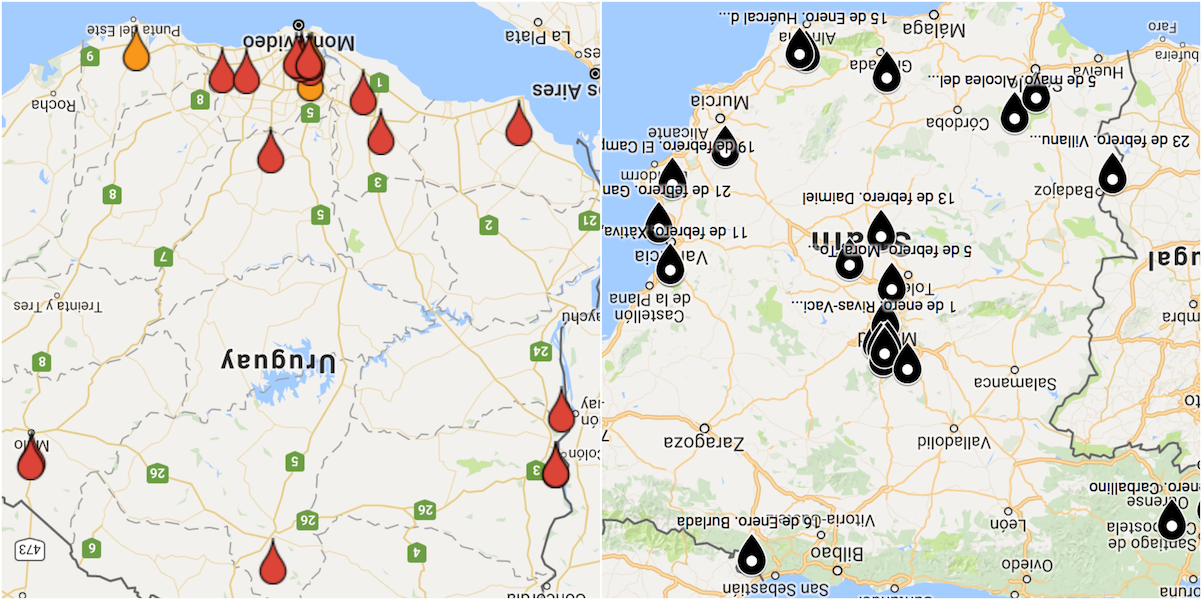
Vibrant Maps (Suárez Val, 2018)
In recent years, feminist activists in various Latin American countries have been creating digital maps of feminicide —the gender-related violent deaths of women. The intersection of activism and mapping has been explored by scholars and activists who have addressed the performative, participatory and political nature of mapping, and by feminist scholars who have analysed and…